Sep.
12, 2025
Contents
What is Aluminum Extrusion: Dies, Process and Applications
Aluminum Extrusion Applications
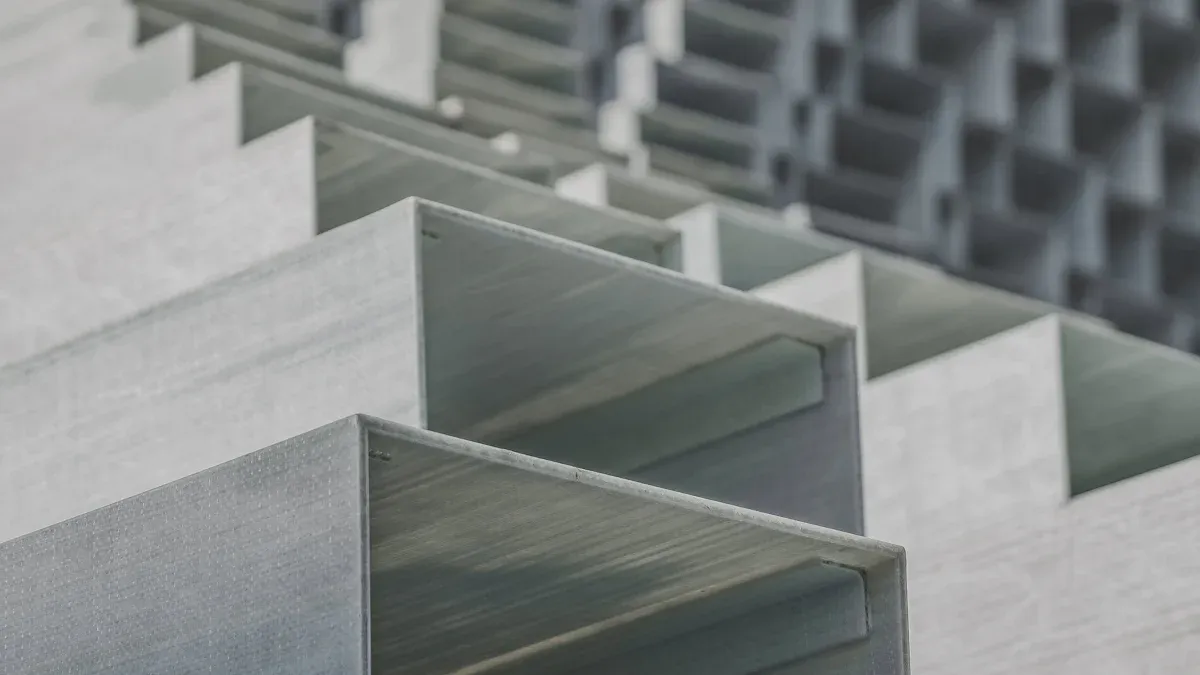
Aluminum Extrusion shapes aluminum by pushing it through a die. This makes useful shapes. Many industries use this process. It saves time and lowers mistakes. Extrusion is better than roll forming for hard designs. It also works well for small batches. More companies want to use green materials. So, the global market for aluminum extrusion is growing.
| Year | Market Size (USD Billion) | CAGR (%) |
|---|---|---|
| 2024 | 97.4 | N/A |
| 2033 | 185.2 | 7.4 |
Aluminum Extrusion helps make long pieces with the same shape all along. Heated aluminum gets pushed through a die, which is a shaped opening. This way, you get parts that are strong and light. These parts can be used for many things. You can pick different alloys for different jobs. For example, 6063 is good for window frames and heat-sinks. 6005 works well for tubing and car connectors. 6463 is best for custom shapes and building designs.
| Aluminum Alloy | Properties and Applications |
|---|---|
| 6063 | Smooth finish, easy to form, used in windows and heat-sinks. |
| 6005 | Strong, great for ladders and tubes. |
| 6463 | Dense and strong, used for custom and building parts. |
The Aluminum Extrusion process has several steps you follow:
Get the extrusion die ready and put it in the press.
Heat up the aluminum billet.
Move the billet to the press.
Use a ram to push the billet into the container.
Push the aluminum through the die.
Guide and cool the new shape.
Cut the extrusion to table size.
Let it cool to room temperature.
Stretch the extrusion to make it straight.
Cut it to the final size.
Aluminum Extrusion has many good points compared to other ways. It saves money, especially for big projects. You get parts fast, even if you need special shapes. Many industries use this process, like cars and buildings.
The parts are strong and last a long time.
You can add coatings to protect them more.
Aluminum is easy to recycle, so it helps the planet.
Shipping costs less because aluminum is light.
Aluminum has a high strength-to-weight ratio.
Tip: If you want parts that are cheap, custom, and good for the earth, Aluminum Extrusion is a great pick.
Aluminum extrusion dies shape metal as it moves through the press. These tools help you make the profile you want. Each die works like a mold and gives aluminum its final look. The die’s design controls how the metal moves and what shape you get. There are three main types of dies: solid, semi-hollow, and hollow.
Solid dies make profiles with no holes or closed spaces. You use them for simple shapes like rods, bars, and angles. The way you design a solid die changes how aluminum moves through it. This affects the shape and strength of your part. If you want a strong, solid piece, you pick a solid die. The die’s design helps the metal flow evenly. This keeps your part strong and in the right shape.
Semi-hollow dies make profiles with partly closed spaces. These dies are good for shapes with narrow openings or channels. They are not fully hollow. You might use a semi-hollow die for channels or tracks. The die helps balance strength and weight. You get a profile that is lighter than a solid one but still strong.
Hollow dies make profiles with empty spaces inside, like tubes and window frames. You use these dies when you need a part with a hollow center. Hollow dies use mandrels and ports. These guide the aluminum around bridges inside the die. This forms the hollow parts. Hollow dies are more complex because they need extra support. This keeps the shape during extrusion. You can make many hollow profiles. This helps you build lighter and better products.
Note: How long an extrusion die lasts depends on many things. You should watch design complexity, material properties, and how you use the die. Harder alloys wear out dies faster. Softer alloys do less damage. High speeds make more friction and heat. You need to keep the temperature right. Good lubrication and regular care, like cleaning and repairs, help dies last longer.
Factors that affect die durability:
Design complexity
Material properties
Operating conditions
Maintenance and cleaning
Thermal management
Alignment support
Quality control
Repair techniques
Advances in manufacturing
Material impact:
Harder alloys wear dies faster
Softer alloys cause less damage
Process impact:
High speeds increase friction and heat
Proper temperature control reduces wear
Maintenance tips:
Lubricate dies well
Inspect, clean, and repair regularly
Aluminum Extrusion uses these dies to make many shapes for different industries. You can choose the right die for your project and get the best results.
Aluminum Extrusion uses many steps to make strong profiles. Each step is important for the final product. This process is cheap for many industries.
First, you get the die ready. The die shapes the aluminum profile. You must clean and check the die before using it. This helps stop mistakes and keeps the shape right. You also check if it lines up and add lubrication. Good prep makes the process smoother and helps the die last longer.
Tip: Always look for damage or wear on the die. Taking care of the die saves time and money later.
Next, you heat the aluminum billet. Most 6000 series alloys need 400–500°C. This makes the aluminum soft but not melted. You must keep the heat steady. If you control the heat, your parts stay strong. After heating, you put the billet in the press.
| Step | Purpose |
|---|---|
| Heating | Makes aluminum soft for shaping |
| Loading | Puts billet in place for extrusion |
A strong ram pushes the hot billet through the die. This is like squeezing toothpaste from a tube. The aluminum comes out in the die’s shape. The speed matters a lot. Too fast can cause problems or bad shapes. Too slow takes more time and costs more. You need the right speed for good results.
Fast speed can make defects.
Slow speed costs more.
The right speed gives better profiles.
After shaping, you guide the profile and cool it. How fast you cool changes the strength and structure. Fast cooling makes the profile stronger and stretchier. Slow cooling can make it weaker.
| Cooling Rate (K/s) | Microstructure Changes | Mechanical Properties Impact |
|---|---|---|
| 2.3 | Bigger spaces inside | Lower strength |
| 24.1 | Smaller spaces inside | Higher strength and stretch |
When it is cool, you cut the profile to the right length. The cuts must be clean and exact.
You finish the aluminum to make it look and work better. Common finishes are anodizing, powder coating, and mechanical finishes. Anodizing protects from rust and adds color. Powder coating gives a tough, colorful finish. Mechanical finishes like grinding and polishing make it smooth.
| Finishing Technique | Description |
|---|---|
| Anodizing | Adds rust protection and color |
| Powder Coating | Gives a strong, colorful, and sun-proof finish |
| Mechanical Finishes | Grinding, polishing, and blasting for a smooth surface |
Note: Finishing makes the product look better and protects it from damage.
Aluminum Extrusion is cheap and saves money. You can make many pieces and lower the cost for each one. Good design and machines help you waste less and use less work. Automation helps control the process and lowers scrap. You get strong, light profiles for less money.
Aluminum extrusions are used in many car parts today. These parts help cars use less fuel and go farther. Electric cars last longer because aluminum keeps batteries cool and light. Aluminum is strong but lighter than steel, so cars are safer. Car makers use special extrusions for chassis and subframes. This makes cars lighter but still strong. Battery covers and cooling systems use aluminum extrusions too. This helps electric cars go farther and work better.
Cars with aluminum parts use less fuel and last longer.
Aluminum is light and strong, which makes cars safer.
Using aluminum helps the environment because it can be recycled.
Chassis and subframes use special extrusions to lower weight.
Battery covers and cooling systems use extrusions for better range.
You can find aluminum extrusions in many buildings. These shapes make windows, doors, and roofs strong and easy to clean. They help keep buildings warm in winter and cool in summer. Aluminum frames hold big windows, so you get more sunlight inside. Builders use extrusions for outside walls, fences, and building frames. These parts last a long time and do not rust, even in bad weather.
Outside walls made with aluminum last long and save energy.
Windows and doors work better and come in many styles.
Roofs and gutters are light, strong, and easy to care for.
Skylights and canopies use aluminum for strength and low weight.
Building frames made from aluminum are stable and light.
Aluminum shapes help save energy by keeping heat in or out.
Big windows let in more sunlight, so you use less electricity.
Aluminum bounces sunlight away, which helps keep buildings cool.
Many electronic devices use aluminum extrusions. These shapes help cool computers, phones, and power systems. Aluminum heat sinks stop CPUs and GPUs from getting too hot. Electronics are safer because aluminum spreads heat fast. Cases made from aluminum extrusions are light and do not attract magnets or sparks. This makes them good for many electronic uses.
Aluminum heat sinks keep computer parts cool.
Aluminum cases are light, safe, and not magnetic.
Aluminum spreads heat quickly to keep things safe.
You see aluminum extrusions in home and factory electronics.
Fast computer parts use aluminum to stay cool.
Aluminum extrusions are used in many other fields. Airplanes use them for frames and parts. Solar panels and wind turbines need aluminum for strong, light support. Boats and trains use extrusions for hulls and panels. Furniture makers use aluminum for tables, chairs, and shelves. Hospitals use aluminum in beds and wheelchairs. Factories use extrusions in conveyor belts and machine frames.
Planes: Parts, frames, and other pieces.
Green energy: Solar panel frames and wind turbine supports.
Travel: Boat hulls, train panels, and railings.
Furniture: Tables, chairs, and shelves.
Medical: Hospital beds and wheelchairs.
Factories: Conveyor belts and machine frames.
Tip: Aluminum Extrusion can be used for many things. It gives you strong, light, and custom parts for almost any project.
You must pick the right aluminum alloy for your job. Each alloy has its own strength and rust protection. The 6000 series is best for strong car or plane parts. The 5000 series is good for boats because it does not rust easily. The 1000 series is light, so it works well for light parts. The table below shows how each alloy series is different:
| Alloy Series | Strength | Corrosion Resistance | Applications |
|---|---|---|---|
| 6000 | High | Good | Aerospace, Automotive, Construction |
| 5000 | Medium | Excellent | Marine, Offshore |
| 1000 | Low | Moderate | Lightweight Applications |
Tip: Pick your alloy based on where you will use it and how much strength or rust protection you need.
You can make your aluminum profile strong and light by using smart design tips. Keep the cross section size between 1 and 10 inches. Try to keep it under 8 inches for the best results. If you keep the weight-per-foot under 3 pounds, you save money and make the part easier to move. Do not use shapes with thin tongues or uneven walls. Balanced walls help the metal flow better and make the part stronger. Add grooves, ribs, and webs to make it stronger without adding much weight.
| Key Design Considerations | Description |
|---|---|
| Overall Cross Section Size | Most economical between 1-10 inches, ideally under 8 inches. |
| Weight-per-Foot (Wt/Ft) | Under 3 pounds for better efficiency and cost. |
| Shape Constraints | Avoid high tongue ratios and keep walls balanced. |
| Good Practices | Use balanced walls, minimize hollows, add grooves, ribs, and webs for strength. |
You can save money by making smart choices early in your project. Use fewer cavities in your die to lower breakage and costs. Watch how much scrap you make and try to use materials better. Ask for design feedback before you start making parts. Try using 6063-T6 alloy instead of 6061-T6 to save money and work faster. Use less metal in your design to cut costs. Use extra services from your supplier to make things easier. Break hard profiles into simple shapes to make them cheaper and easier to make.
Use fewer die cavities to save money.
Watch scrap and use materials better.
Get design feedback before you start.
Pick 6063-T6 alloy for better value.
Use less metal in your design.
Use supplier services to make things easier.
Make your design simple for easier production.
Note: Simple designs and smart material choices help you save money and get better results in aluminum extrusion.
Aluminum extrusion lets you make strong and light parts. You can create custom shapes for many things. It works for cars, buildings, and electronics. If you know about dies and the process, you can pick better options. Aluminum can be recycled almost all the way. This helps the earth and saves you money. Many factories recycle their aluminum to use it again. This cuts down on waste and lowers costs. More companies want green solutions, so the market is getting bigger.
| Benefit | Why It Matters |
|---|---|
| Design Flexibility | You get custom shapes easily |
| Material Efficiency | Less waste, lower costs |
| Sustainability | Supports green manufacturing |
If you want parts that are custom, cheap, and good for the planet, aluminum extrusion is a smart pick.
You can make lots of shapes, like tubes and angles. Channels and custom profiles are also possible. The die design decides what shape you get. You can ask for special shapes for your project.
You should think about strength, rust resistance, and cost. The 6000 series is good for most jobs. The 5000 series does not rust easily. The 1000 series is light and easy to shape.
Aluminum extrusion is good for the environment. You can recycle almost all aluminum. Factories use scrap again to save energy and make less waste. This helps keep the planet safe.
| Finish Type | Benefit |
|---|---|
| Anodizing | Stops rust, adds color |
| Powder Coating | Strong, colorful layer |
| Mechanical | Makes the surface smooth |
You can choose a finish that works best for you.
Latest News


Products

45# Steel

45# Steel

45# Steel

Aluminum Tube

Aluminum Alloy

45# Steel

Aluminum Alloy

304 Stainless Steel
Navigation
Navigation
Contact Us
Tel: +86 13417419143
E-mail: [email protected]
Add:
2nd Floor, Building 7, 156 High Tech Industrial Park, Fuyuan 1st Road, Zhancheng Community, Fuhai Street, Baoan District, Shenzhen City, China.
